Lawn Pests and Grubs
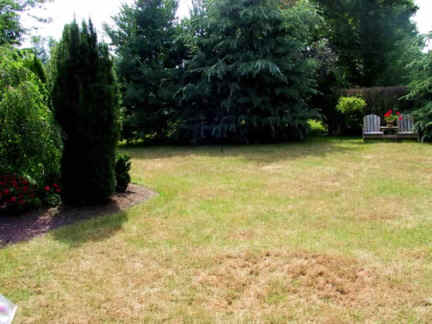 |
Grubs are particularly troublesome as the damage they cause is only noticed when bald or brown patches appear in the lawn, and generally only at certain times of the year. We have insecticides to get rid of most bugs. Spray on or water in. Contact us for details or see our products page. |
|
Lawn Webworm/Moth
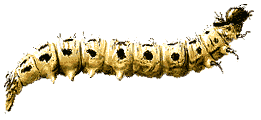
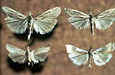
If lots of sod webworm moths are observed in the evening, watch for damage in about 10 - 14 days. This is when their eggs begin to hatch into caterpillars. These caterpillars chew off the grass blades close to the soil surface leaving brown stubble as damage. Early August is typically when we see the heaviest damage, although sometimes damage is also heavy in June. Insecticides should be applied to the surface of damaged areas.
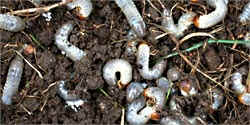
The larval stage of many different beetles, including the Japanese beetle. The grub lives below ground and feeds on the roots of tender grass plants that soon kills the plant. They are most destructive mid-late summer, but the damage they cause may not show up until early fall and by then, it's too late. The best time to control grubs is in early summer, just after they hatch. At this time they are very susceptible to treatment and just before they start causing extensive damage to your lawn.
Dull-brown, gray or nearly black caterpillars that are 1½" - 2" long. Some cutworms are spotted, others are striped. Usually they hide in the soil during the day and feed at night. They are the larvae of night-flying brown or grayish moths. Cutworms occasionally infest lawns. They feed on the leaves or cut off the grass near the soil and may do severe damage to seedlings of bermudagrass, Bentgrass and ryegrass.

Chinchbugs are surface-feeding insects and most damaging to St. Augustine grass. You may see them on grasses such as Zoysia, Bermuda, and Centipede, but infestations usually occur where high populations have built up on St. Augustine grass.
Adult chinch bugs are about 1/4" long and black with white wings folded over their backs. The insect mates early in the season when the temperature reaches 70 degrees Fahrenheit. The female lays eggs on roots, stems, leaves, leaf sheaths or crevices in nodes and other protected places. Eggs are laid over a 2 - 3 week period, with one female laying as many as 500 eggs.
Damage is most severe in drought years, and can be prevented by planting perennial ryegrass, fine leaf and tall Fescues. Regular moisture increases levels of naturally occurring fungi that help keep chinch bugs in check.

Leatherjackets are the larvae of the European Crane Fly or Daddy Long Legs as they are commonly known. The larvae cause damage to lawns by feeding on the roots of grass plants.
Adult Crane flies hatch from pupae in late July and August and lay their eggs in the ground within 24 hours of hatching. The larvae hatch about 2 weeks later and start to feed on grass roots, which continues through winter and into spring. They stop feeding in May/June when they will pupate in the soil. In general, they stay underground in the day and move up to the turf leaves at night. They are very sensitive to drying and do not survive if they are dried out by the sun. On very cloudy days when the turf is wet you can see the larvae in the turf. They are about 25mm long and have a grey/brown leathery skin.